Article: Wedding Guest Suit Guide: Guest vs Close Family Dress
Wedding Guest Suit Guide: Guest vs Close Family Dress
|
Not sure what to wear to an Indian wedding? See how a guest outfit differs from close family wear, function by function, for women. |
Wedding Guest Suit Guide: What to Wear as a Guest vs Close Family
Choosing a wedding dress for women in India is rarely about one outfit. A single wedding can run across four or five functions, and the right choice changes depending on whether you are a guest, a cousin, or part of the immediate family. This guide breaks down how the dress code shifts by role and by function, so you know what to wear and what to leave for someone closer to the couple.
What Counts as a Wedding Dress for Women in Indian Weddings Today
A wedding dress for women in India rarely means a western style gown. It usually means a salwar suit, a saree, a lehenga, an Anarkali or a co-ord set, chosen to match the function, the region and the family's own style. Which of these counts as the right pick depends less on fashion trends and more on who you are at the wedding and which function you are attending.
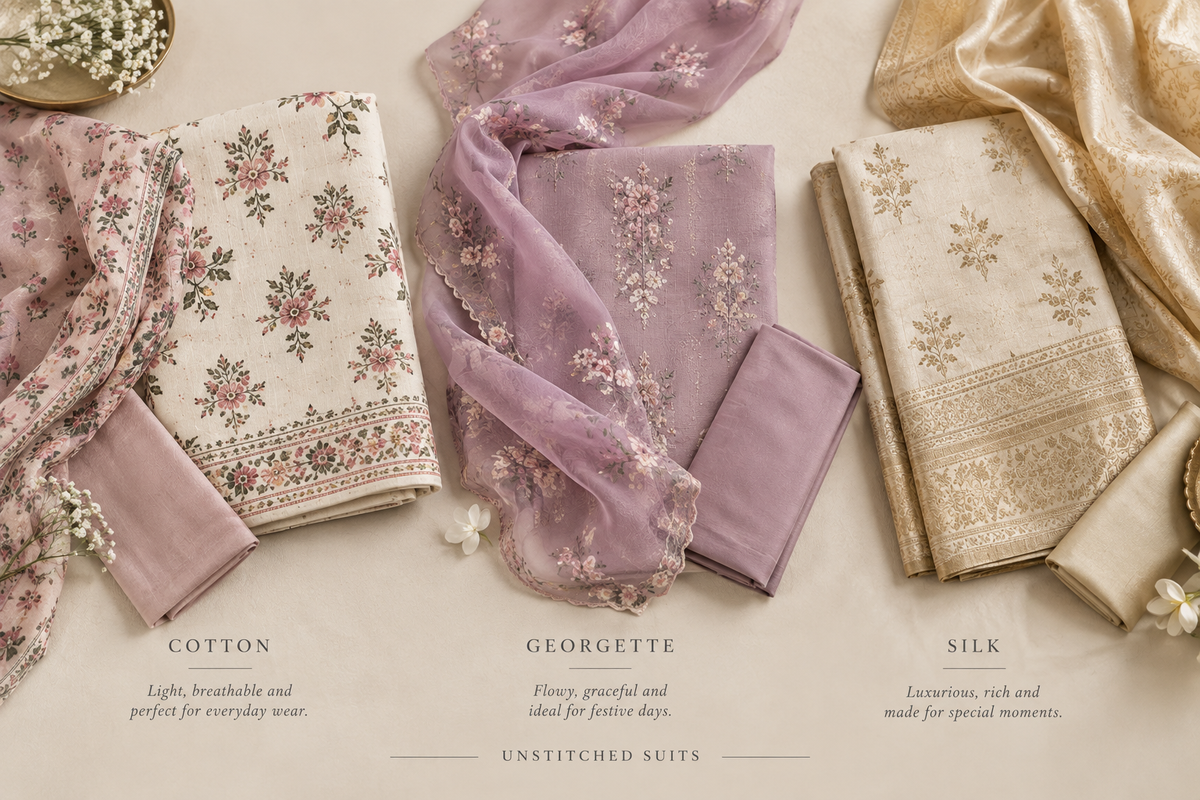
Types of wedding dress for women can range from a simple cotton silk suit for a daytime haldi to a heavily embroidered lehenga for the reception. The common thread is that the outfit should suit the formality of the moment without outshining the couple or the immediate family.

Guest vs Close Family: How the Dress Code Changes
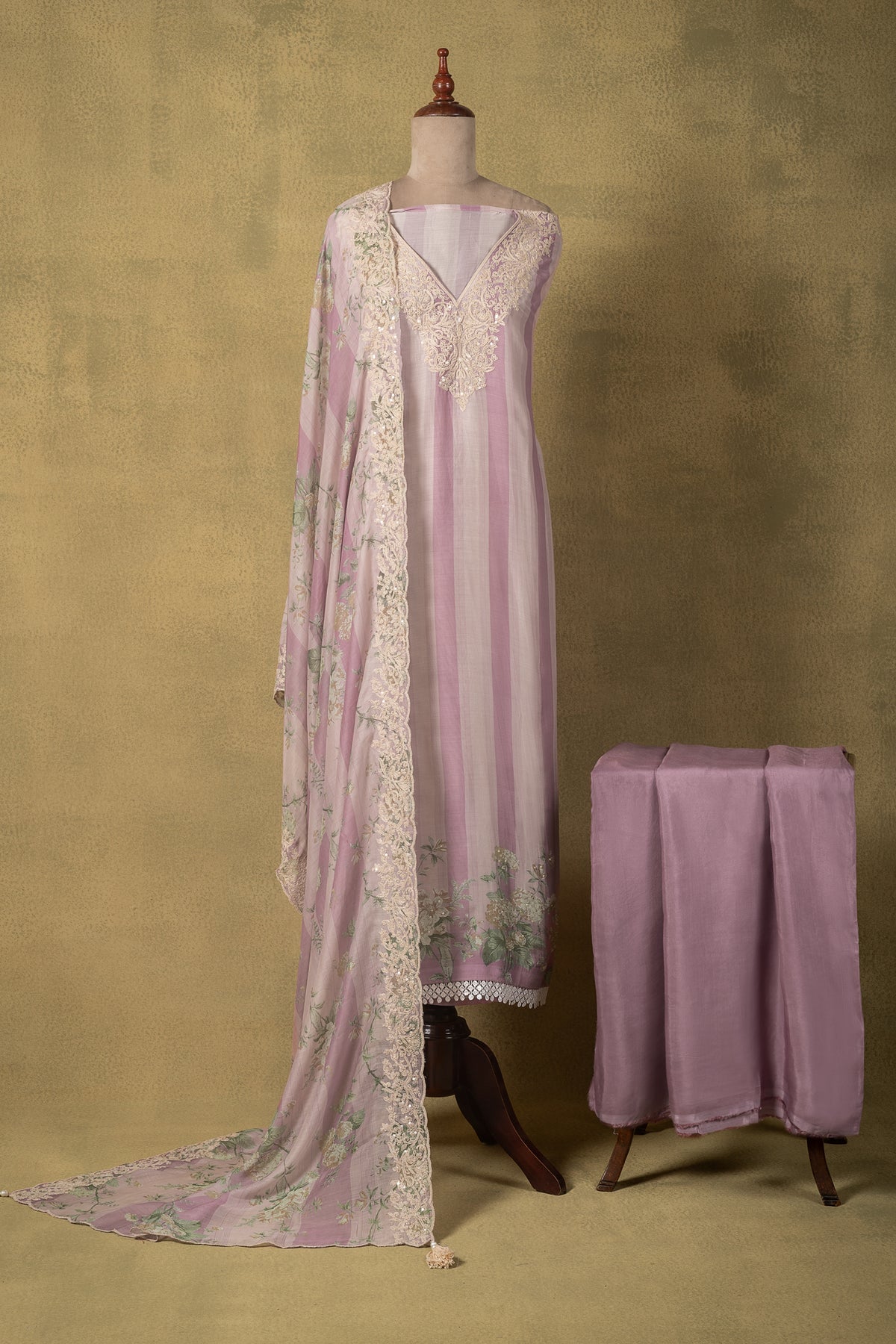
A wedding dress for women as a guest is usually simpler and lighter than what close family wears. Guests are expected to look put together without drawing attention away from the hosting family, so bright but not overly heavy outfits work best. Close family, particularly sisters and cousins of the bride or groom, often coordinate with the wedding's colour theme and wear richer fabric with more embroidery, since they appear in more photographs and functions.
|
Role |
Typical Fabric |
Colour Choices |
Embellishment |
|
Wedding Guest |
Georgette, cotton silk blend |
Pastels, jewel tones, not bridal red |
Light to moderate |
|
Close Family (sister, cousin) |
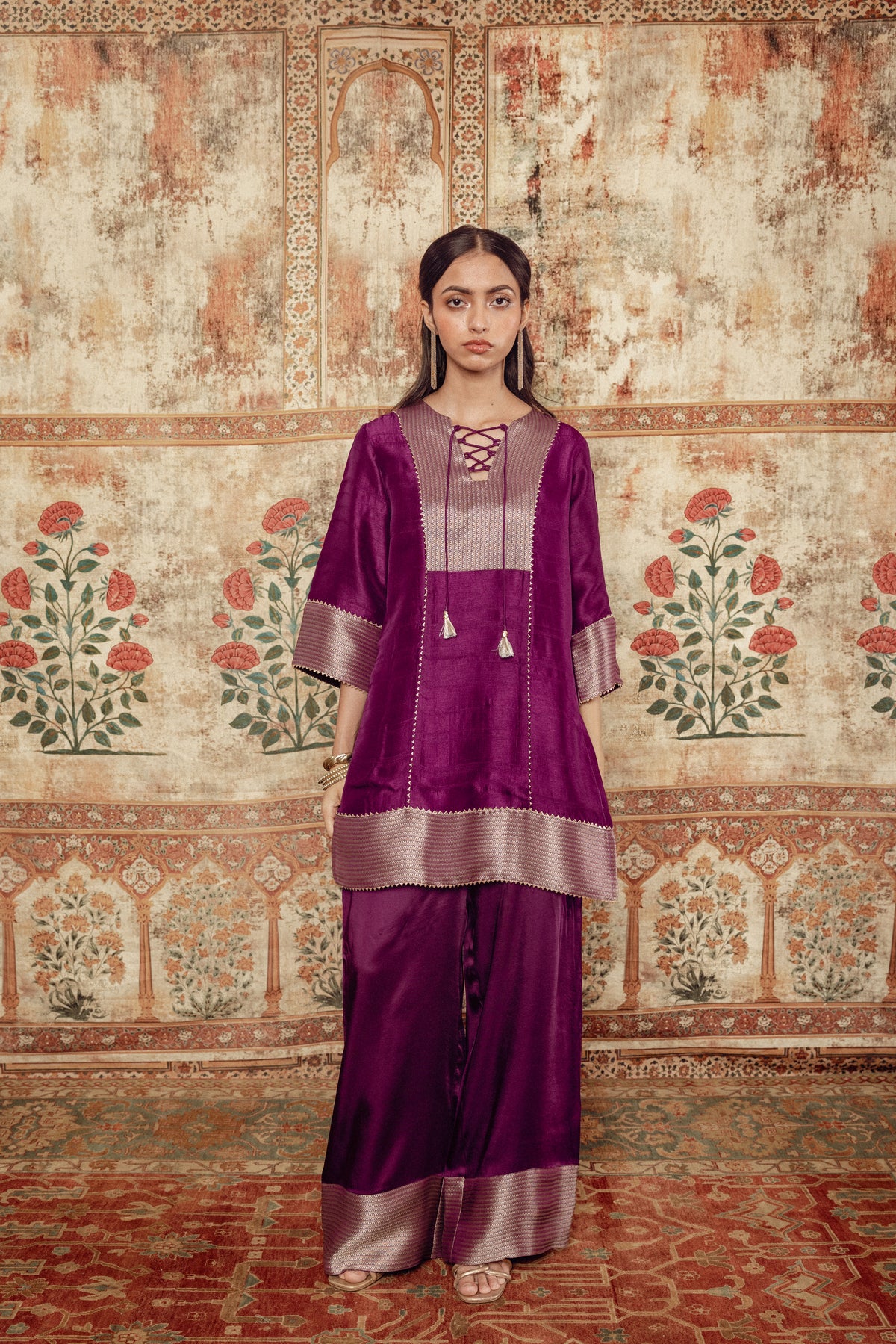
Silk, velvet, heavy georgette |
Theme colours, brighter jewel tones |
Moderate to heavy |
|
Immediate Family (mother) |
Silk, Kanjeevaram, Banarasi |
Rich traditional colours, gold |
Heavy, traditional motifs |
A wedding dress for women traditional in style, such as a Kanjeevaram saree or a Banarasi suit, is usually reserved for mothers and senior family members rather than guests, since these pieces carry more formal weight.
Wedding Function Dress for Women, Function by Function
Each function in an Indian wedding calls for a different wedding function dress for women, and getting this right as a guest makes the difference between fitting in and standing out for the wrong reason.
Haldi
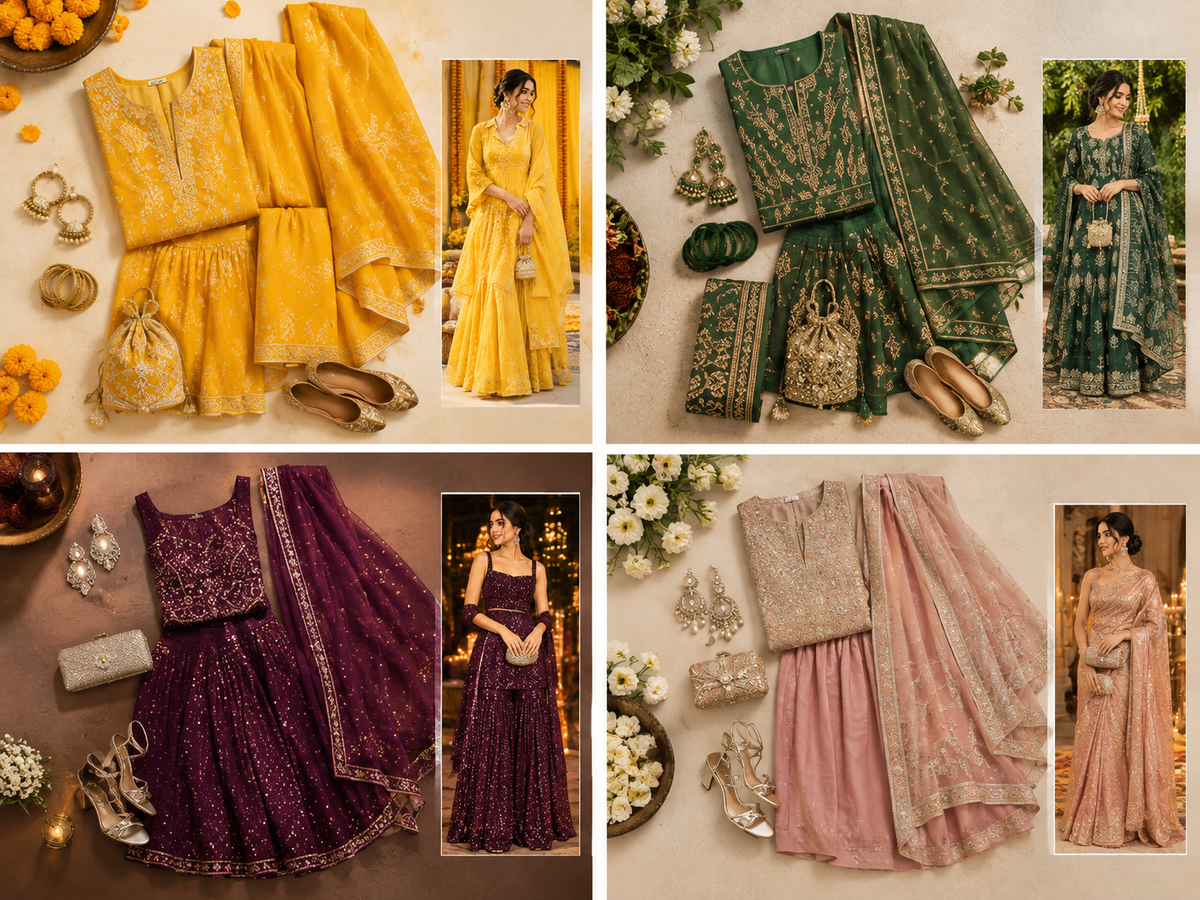
Light cotton or georgette suits in yellow, mustard or marigold tones suit haldi, since the function is usually outdoors and involves turmeric paste.
Mehendi
Bright, comfortable suits in green, coral or multicoloured prints work well, since guests are often seated for long stretches while mehendi is applied.
Sangeet
This is where wedding outfits for ladies get dressier. Sequinned suits, Indo-western co-ord sets or a lighter lehenga suit an evening of dancing and photographs.
Wedding Ceremony
A more traditional saree or suit in a rich but not overly bright colour, avoiding red and its close shades since that is reserved for the bride, is the safest choice for guests.
Reception
An evening appropriate wedding dress for women party wear, such as a fitted Anarkali or a saree with a statement blouse, suits the reception's more formal, indoor setting.

Party Wear vs Traditional: Choosing the Right Suit for Each Role
Wedding clothes for women generally split into two categories, party wear and traditional. Party wear includes sequinned suits, Indo-western gowns and co-ord sets, and suits evening functions like the sangeet and reception where the mood is less formal and more about dancing and photographs.
Traditional wear, such as a silk saree or an embroidered Anarkali suit, suits daytime ceremonies and religious rituals where the dress code carries more weight. As a guest, leaning traditional for the ceremony itself and saving party wear for the evening functions is the safer route, since it matches what most other guests will be wearing.
Where to Buy Wedding Guest Suits Online
Buying a wedding dress for women online for a wedding season means planning ahead, since alteration and delivery both take time closer to the date.
Check the fabric composition and embroidery type in the listing, and confirm whether the dupatta or matching accessories are included in the price. If you are shopping for a bride to be dress for women alongside her close family's outfits, look for a store that can coordinate colours across multiple pieces at once, since matching shades across several people is harder to get right separately.
Sterling House stocks both guest and close family wedding wear, from unstitched suit sets to ready to wear pieces, available online and in-store on Commercial Street, Bengaluru.
Frequently Asked Questions
What should a woman wear as a wedding guest in India?
A guest should wear a suit or saree in a bright but not overly heavy colour, avoiding red and its close shades since that is reserved for the bride. The outfit should match the formality of the specific function, lighter for daytime events and richer for the evening reception.
What is the difference between a guest outfit and a close family outfit at an Indian wedding?
A guest outfit is usually simpler, in lighter fabric with less embroidery, since guests should not outshine the hosting family. Close family outfits are often richer, in heavier fabric, and sometimes coordinated with the wedding's colour theme.
What is traditional wedding party wear for women?
Traditional wedding party wear includes a silk saree, a Banarasi or Kanjeevaram suit, or an embroidered Anarkali, usually worn for daytime ceremonies and religious rituals rather than evening party functions.
What are the trending wedding outfits for women this season?
Indo-western co-ord sets, sequinned suits for evening functions, and pastel toned sarees for daytime events are trending this season, alongside the usual jewel toned silk suits for receptions.